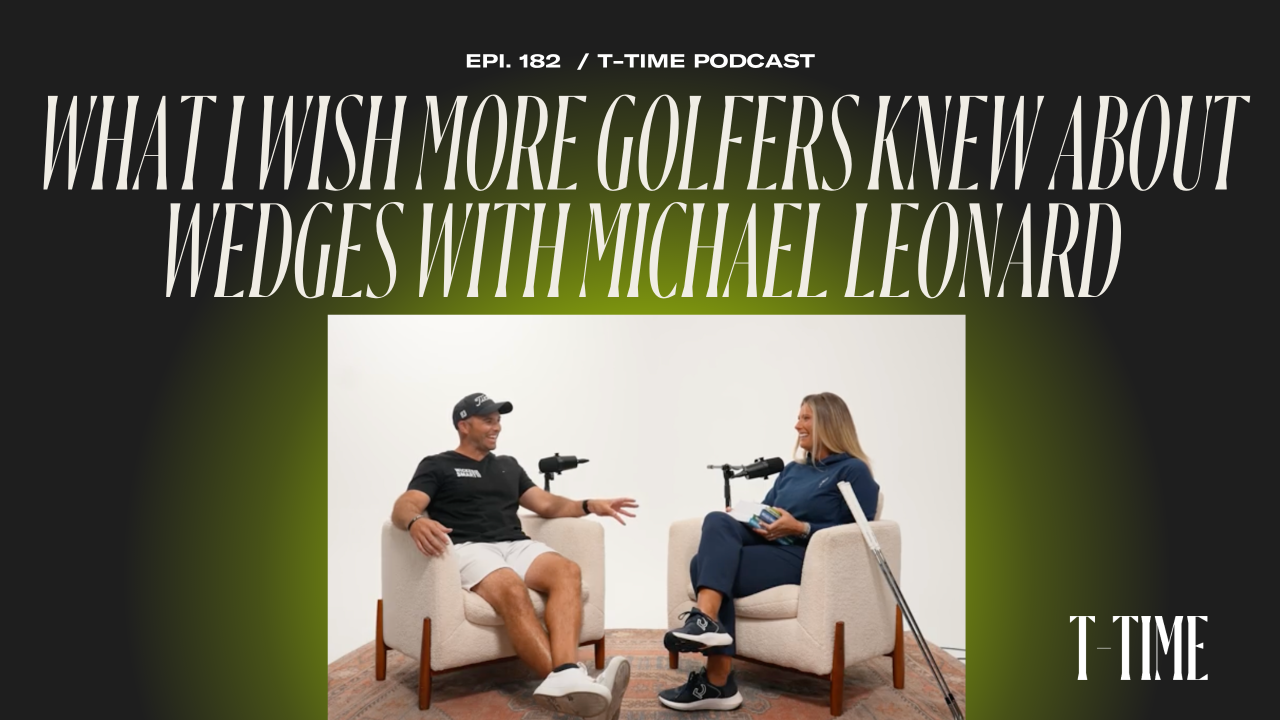
What I Wish Golfers Understood About Wedges with Michael Leonard
Here is the truth that most golfers do not want to hear: you are spending way too much time on your swing. If you are trying to break 90 or break 80 and you are grinding on YouTube looking for the perfect tip to shallow your swing, you are solving the wrong problem. Michael Leonard has built a whole career on telling golfers exactly this — and he is back on T-Time to say it again, with the receipts to back it up.
Michael is the host of the Wicked Smart Golf podcast, coming up on 500 episodes, and the author of a now five-book series that covers everything from breaking 90 to tournament golf to fitness. This week we get into what he wishes more golfers understood about wedges, his pursuit of a plus five handicap, how he quit corporate America with zero plan and built one of golf's most recognizable independent brands, and why you should probably stop trying to hit driver both directions.
Before you Read On, Grab the Free Wedge Wizard Guide
Michael put together a free 10-page guide covering everything we go through in this episode — getting your equipment dialed in, distance control, practice methods, and wedge best practices you can take straight to the range.
Download it here: Wedge Wizard Guide
And while you are there, grab the free digital copy of Short Game 100 — 30 days of short game practice plans, completely free for T-Time listeners: Short Game 100
From Corporate America to Wicked Smart Golf
In 2015 he was sitting at a desk finishing his work in two hours and scrolling to the bottom of Yahoo looking for something more. He started a personal finance blog called Super Millennial, tried flea market flipping, freelance writing, e-commerce, coaching — most of it failed. He got his first golf writing gig in 2018 for thirty dollars.
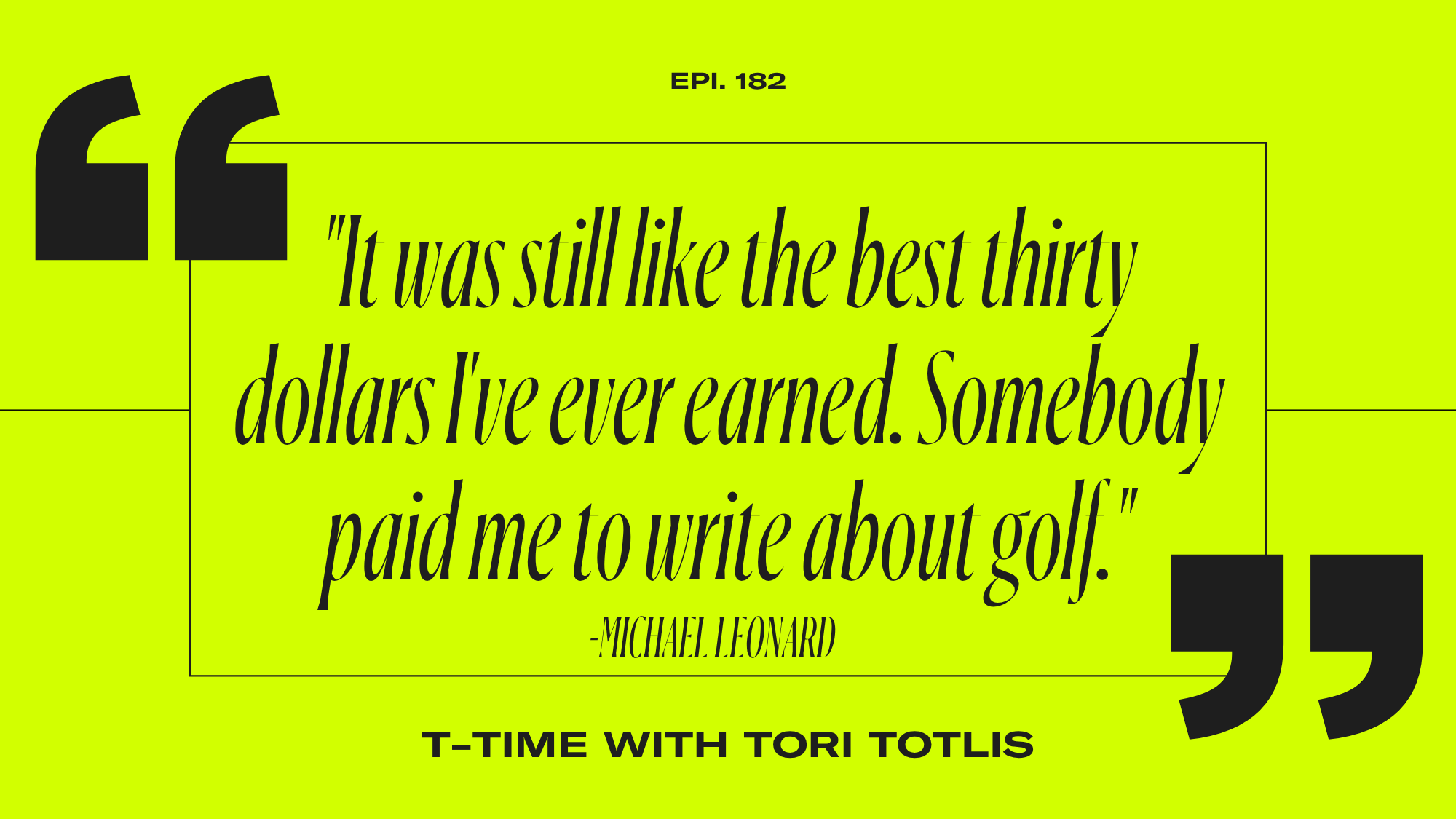
That was the moment he knew. By 2022 he put it all together under Wicked Smart Golf and went all in. Nine years out of corporate America. Almost 500 podcast episodes. Five books. He has no regrets.
The Wicked Smart Golf Book Series — What Each One is For
Michael walks us through all of them and who each one is designed for. The original Wicked Smart Golf (111 Ways to Play Better Without Changing Your Swing) is the beginner-friendly flip-and-read version — think Break 90. The sequel is about breaking 80 consistently and getting into scratch territory, and it is the thickest one because, as Michael says, breaking 80 is just hard. The third book is all tournament golf, born out of 400-plus competitive rounds since he left corporate life. The Wicked Smart Golf Fitness Formula came out last year to cut through all the noise around golf fitness. And there is a stat tracking journal for anyone who wants to start paying attention to the numbers. Up next: Wicked Smart Golf Wisdom, pulling the best insights from 150-plus podcast interviews into one place.
The Plus 5 Quest
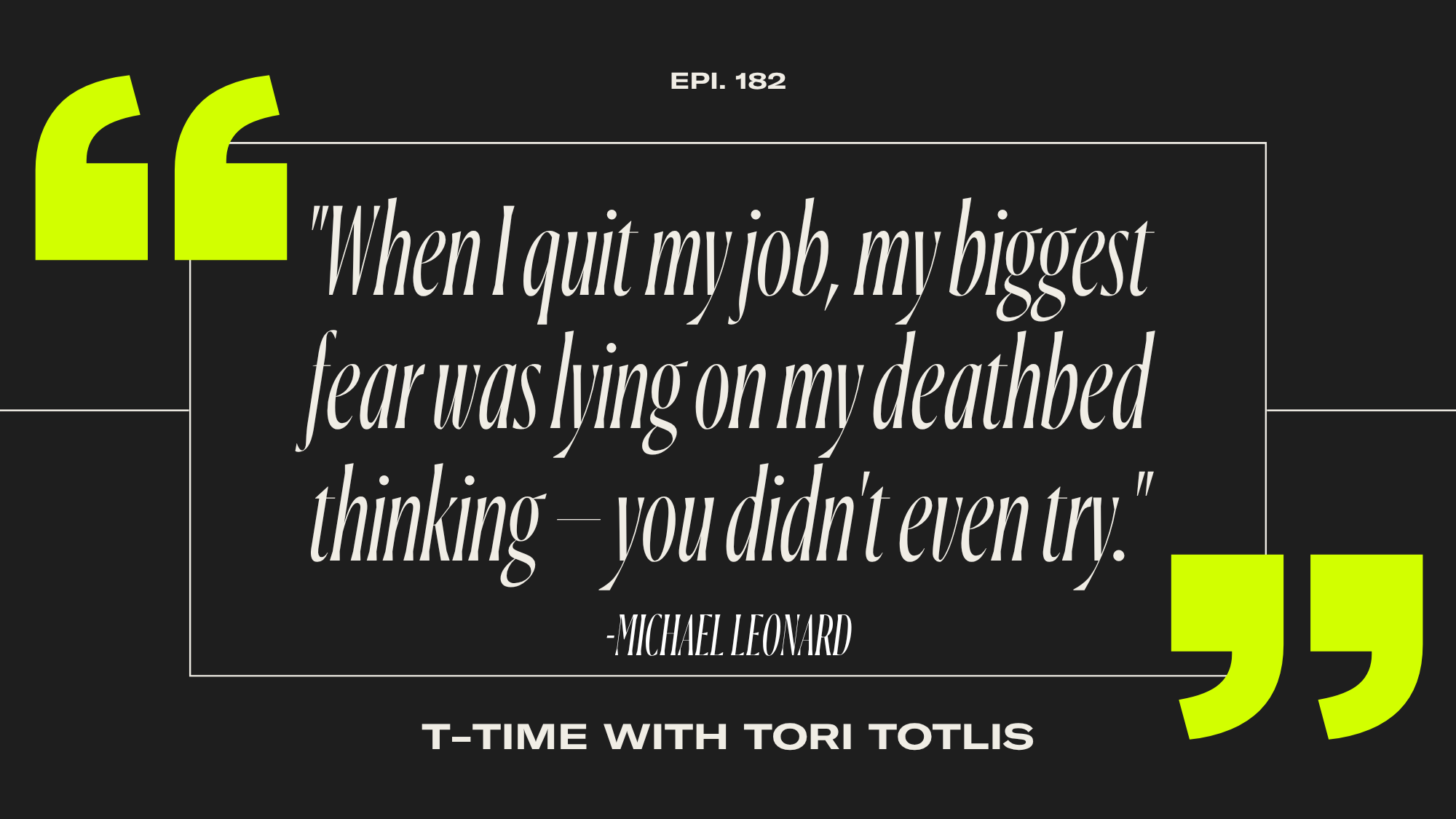
Michael is currently a plus two. His goal is a plus five. This year he actually started putting in the work — a wedge lesson from Justin Kraft, a session with a World Long Drive champion to build speed, stats analysis with a Korn Ferry player. He is two days a week on the HITS speed training driver (created by three-time World Long Drive champ Fast Eddie Fernandez), which he found on Instagram in December and then tracked down at the PGA Show in Orlando. He was at 110 mph club head speed. Fast Eddie told him 16 weeks of training could get him to 115. He is almost there.
Stop Focusing on Your Swing
This is the main message of the episode, and we mean it.
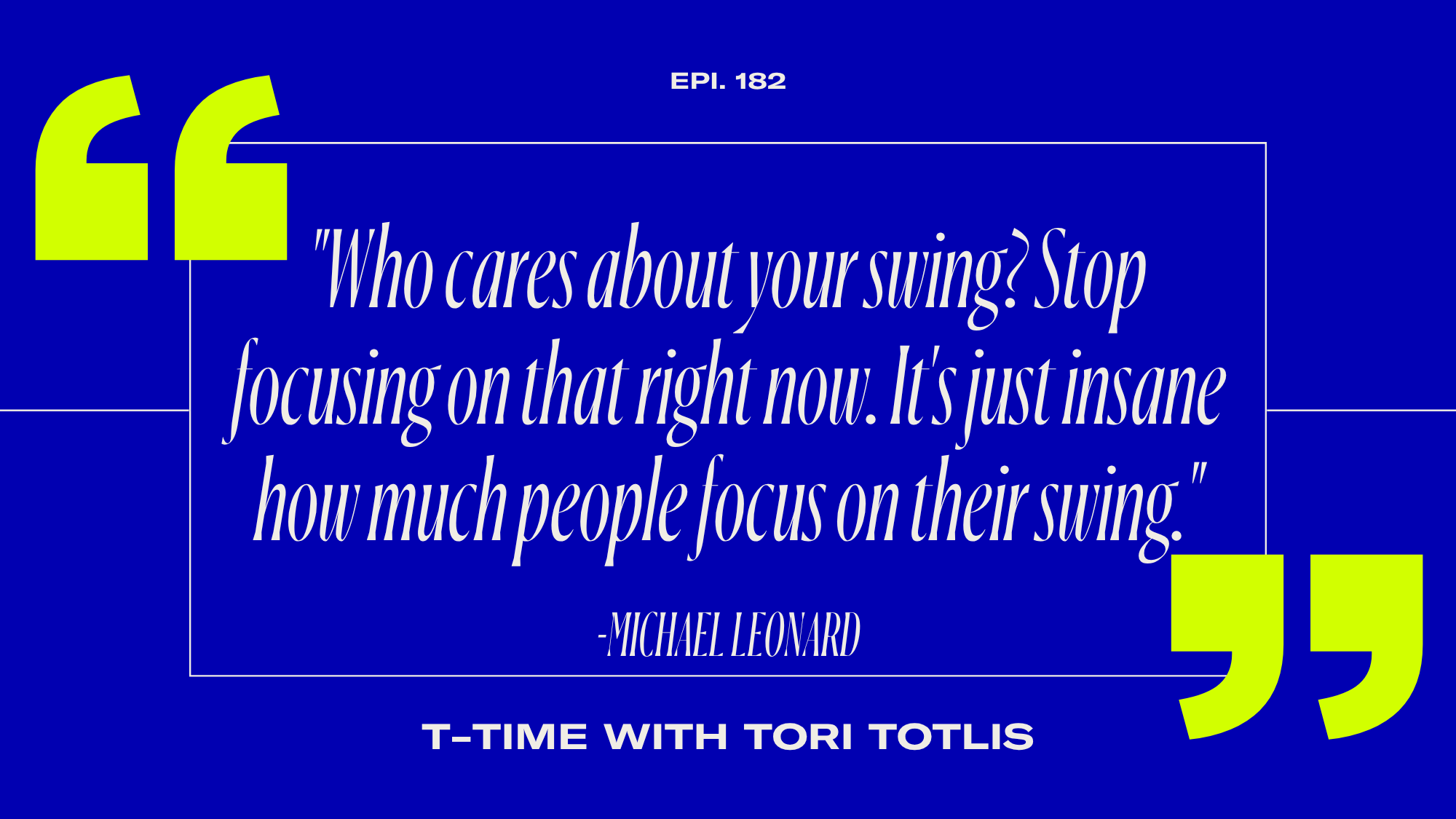
If you are trying to break 90 or break 80 and you have a choice between spending an hour on the range working on your swing or spending an hour inside 100 yards, go inside 100 yards. Every time. The algorithm will keep feeding you swing content. Ignore it. Wedges, chipping, putting — that is where rounds are made and lost.
How Many Wedges, and Which Ones
Michael plays four: pitching wedge at 46, gap at 50, sand at 55, lob at 60. One thing he flags for mid-handicap players: a lot of golfers use a blade-style gap wedge because they think that is what the pros play, but end up with a shaft that is 15-20 grams heavier and a club that is completely unforgiving for the full swings they are hitting with it. If you have cavity back irons, consider a more forgiving gap wedge that matches. Earn your way to the blades.
Get Fitted — Yes, for Your Wedges Too
Lie angle alone can make a dramatic difference. Michael learned from a top short game coach that players typically need to be two degrees flatter on their lob and sand wedge compared to their standard iron lie angle, just because those clubs are used for so many partial shots. A fitter can also help you close the distance gaps between clubs — a 30-yard gap between wedges is setting you up to fail.
Replace Your Wedges More Often Than you Think
Titleist recommends every 75 to 100 rounds. Michael replaces his lob wedge three times a year and his sand wedge twice. His system: keep the old ones in the car for simulator sessions and range practice so you are not grinding down the grooves on a club you need to perform in competition. Spin matters. New grooves matter. Treat yourself to a fresh lob wedge before a tournament.
Distance Control is Everything Inside 100 Yards
Michael used to be a feel player — no system, just vibes behind the ball. Then he got a lesson from Derek Dominski, a short game coach in Tucson, who asked one question:
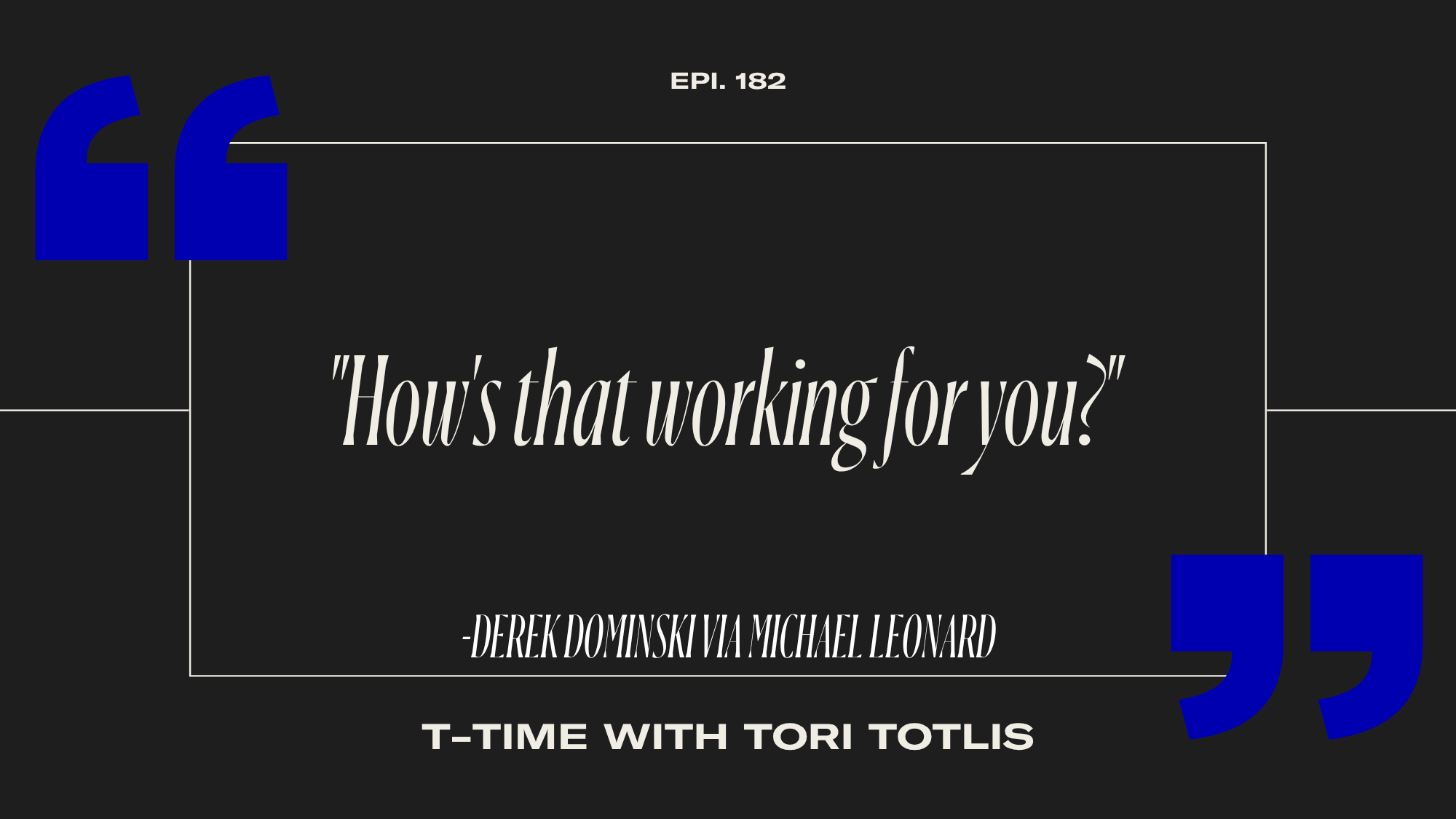
That is when the wedge matrix was born. Michael now works with three distances for each wedge: a full swing, a knockdown (shoulder to shoulder), and a half swing. If you are trying to break 90, start with two distances. Break 80? Three. The goal is to get off the course knowing what you hit, not guessing. A personal launch monitor — a couple hundred dollars — eliminates the guessing entirely.
Creative Practice and Short Game
Throw balls everywhere. Vary the lies. Give yourself a landing zone, not just a target. Use a towel, some ball markers, or those collapsing rings around the hole to build visual awareness. Block practice has its place, but short game is chaotic and creative practice needs to match. The goal is to bridge what you do at the range to what you actually face on the course.
Knockdown Shots
Any time you are hitting a partial wedge, a knockdown is your friend — shorter backswing, shorter follow through, narrower stance, maybe choke down slightly. The ball launches lower, holds its line in the wind, and is more repeatable than trying to finesse a full swing. Tour players hit knockdown shots constantly. Amateurs try to hit lob wedges hard. The math does not work out in your favor.
Play One Shot Shape with Your Driver
Scott Fawcett of Decade Golf says the biggest course management mistake most players make is trying to hit driver both directions. Michael has fully bought in. He committed to his draw in 2022 and his driving has improved dramatically since. The mental load of switching shot shapes mid-round — changing your alignment, your ball position, your feel — is not worth it. Pick one. Commit to it. Play around the course from there.
Tournaments Make you Better
Michael plays five to eight tournament days a month. That is extreme and it is also his job. But his point for the rest of us stands: if you only play one tournament a year and pour everything into it, the pressure you put on yourself almost guarantees a rough day. Playing more events — guest days, blind dates, one-day scrambles, anything — takes the edge off the next one. You get better at tournament golf by playing tournament golf.
Listen to the Full Episode
Hit play on T-Time, Episode EP82 wherever you get your podcasts, or watch the full thing on YouTube.
All of Michael's books are on Amazon and Audible — search Wicked Smart Golf. The Audible versions have bonus content. Find his academy and everything else at wickedsmartgolf.com.
Get in Touch!
Instagram: https://www.instagram.com/tori_totlis/
TikTok: https://www.tiktok.com/@tori_totlis?lang=en
YouTube: https://www.youtube.com/@tori.totlis